Key Elements:


Target Markets
Leveraging Local Partners
Branding and Communications
Competitive Pricing
Distribution and Monitoring
Strict Controls


Target Markets
In country Living Goods targets primarily rural and peri-urban communities with inadequate access to essential health products, underserved by the existing public and private health infrastructure and with relatively high disease burdens. On the economic scale, LG aims to serve populations living on 50¢ to $2 a day, in other words, poor but not destitute.


The wide range of factors noted below each impair access to essential health products for millions of people in the developing world. Any one of these can prevent needy patients from getting the help they need, when and where they need it. Living Goods typically operates where one or more of these conditions exist.

1. Stock Outs: Public health facilities across much of Africa suffer chronic shortages. Drugs may be free, but dispensaries often run out one or two weeks into a month. It is common for rural villagers to spend a full day and up to $2 in transport to a government dispensary only to find, after waiting in a long line, that vital medications are unavailable.

2. Counterfeit and Out-of-Date Drugs: There are thousands of independent drug sellers in Africa, but for lack of government resources they are poorly monitored. Studies show that private drug shops frequently stock counterfeit or out of date medicines.

3. Incompetent Agents: Poor monitoring of private sellers means that drug shops are often staffed by unqualified clerks who ask few questions, are prone to misdiagnoses, and often over-prescribe controlled medicines.

4. Distance: Millions of African live more than half a day’s walk to a reliable source of health products. When a child falls ill a family often cannot afford the cost in transport or lost productive labor to make the journey.

5. High Prices: When public facilities are out of stock or too far, people turn to private drug shops whose prices can be inflated by markups passed on by the inefficient multi-layered system of wholesalers, distributors and agents.

Leveraging Local Partners
To achieve maximum efficiency and scale Living Goods believes in leveraging existing assets on the ground wherever possible. This strategy prevents the needless duplication of effort and expense that is common in the highly fragmented social sector. Thus a core element of Living Goods strategy is to partner with local NGOs, community groups and microfinance organizations to exploit their existing infrastructure for recruiting and possibly financing and/or supporting mobile CHP. To this end, LG extensively canvassed local organizations in Uganda of each of these types including in-depth, in-person interviews. From this group, LG distilled a short list of the most effective and motivated groups. At the top of this list is BRAC, with whom LG concluded a joint venture agreement to partner on the implementation of the pilot phase for Living Goods in Uganda. Click here to learn more about the Living Goods-BRAC joint venture.

Competitive Pricing
LG endeavors to set prices almost always at or, more often, below, relevant competition. Most products are acquired at the lowest possible cost and sold with a small margin. This provides an incentive for the CHP and gives the product greater perceived value to the consumer. At the same time wherever possible, LG also endeavors to acquire products subsidized by local or bi-lateral governments, NGOs or pharmaceutical companies. LG offers subsidized products on terms agreed with by the source of subsidy – in most cases this will mean free or substantially below market. LG will devote considerable effort to testing prices over time to balance the imperatives of maximizing the health impact and ensuring sustainability for the CHPs.

Branding and Communication
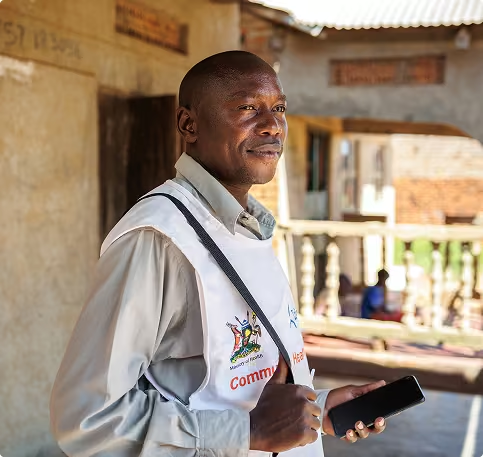
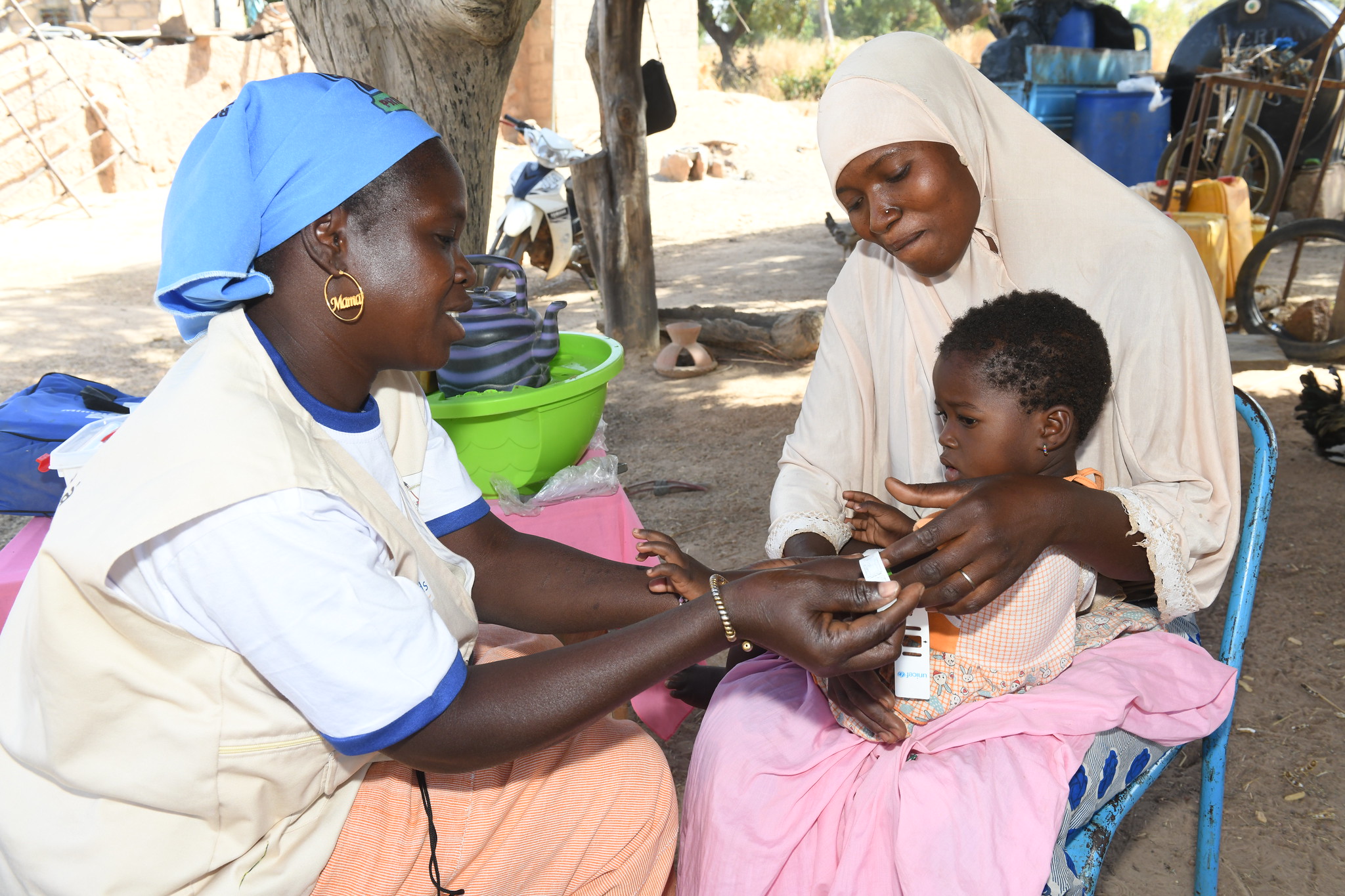
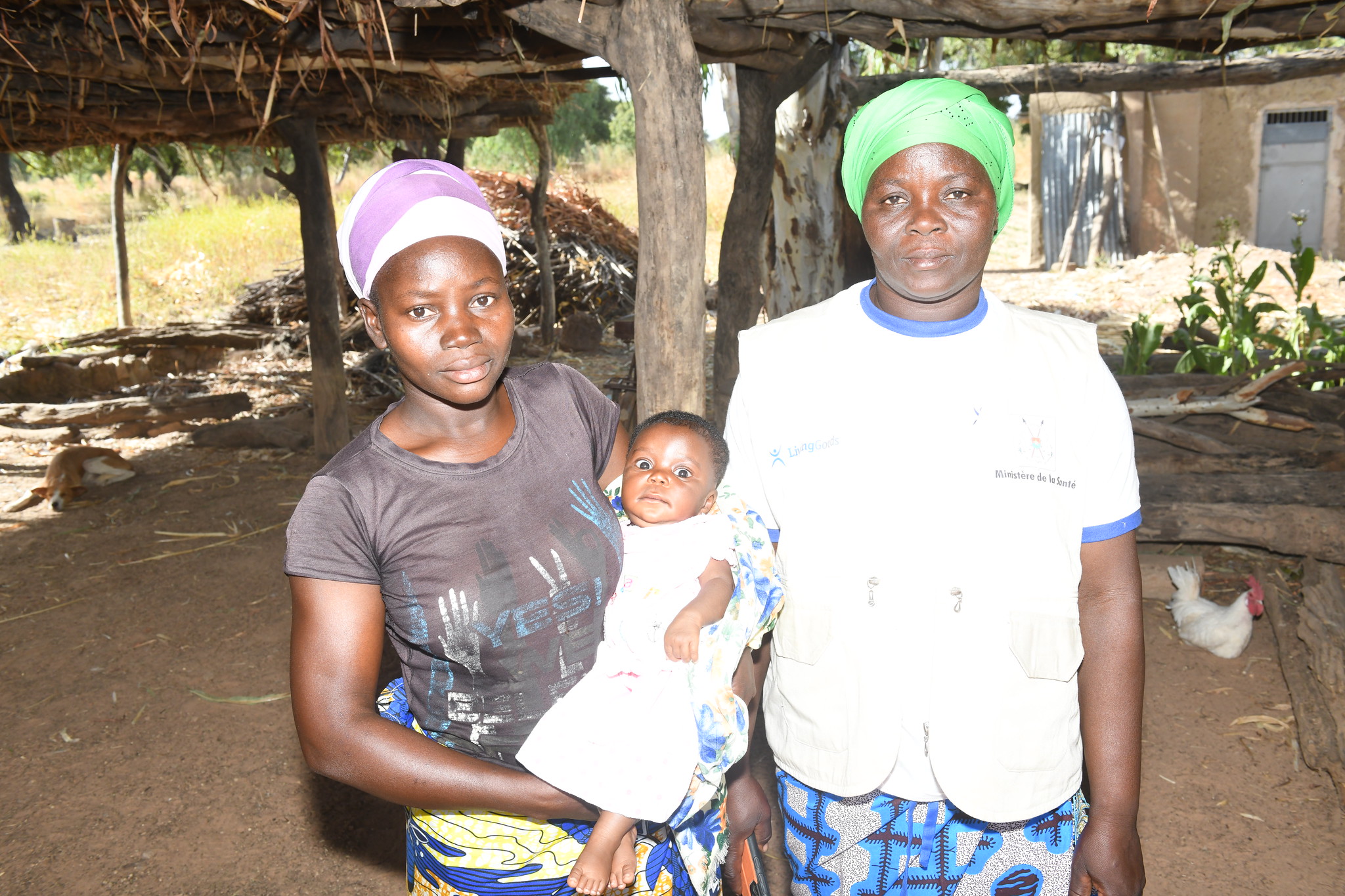
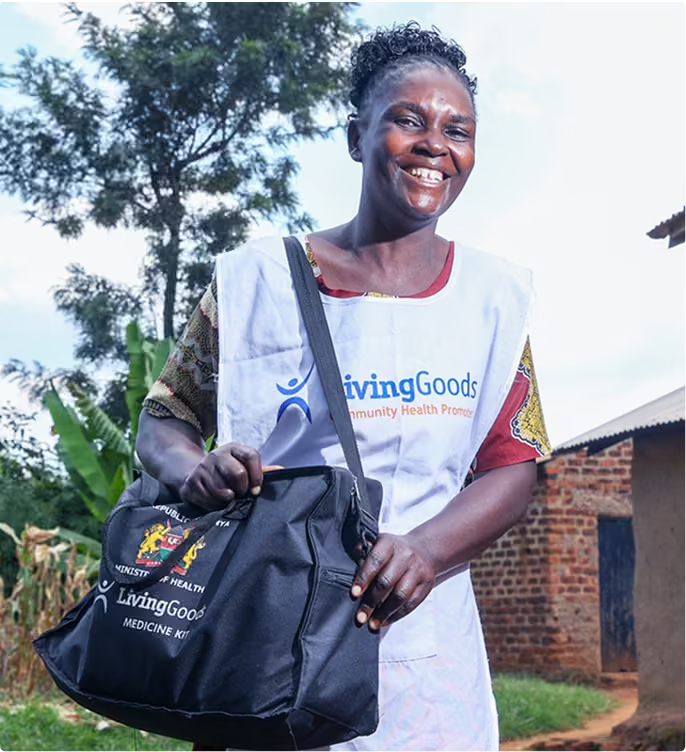
Health Promoters wear a branded uniform. They carry a pack with a clearly visible logo, display a sign on their home, have signage to use at market stalls, as well as printed leave-behinds on key health topics like clean water. When Living Goods launches in a new community, field agents arrange community meetings in partnership with schools, village elders, churches and/or local NGOs to introduce the new Health Pomoters and give them an official imprimatur.

Distribution and Monitoring
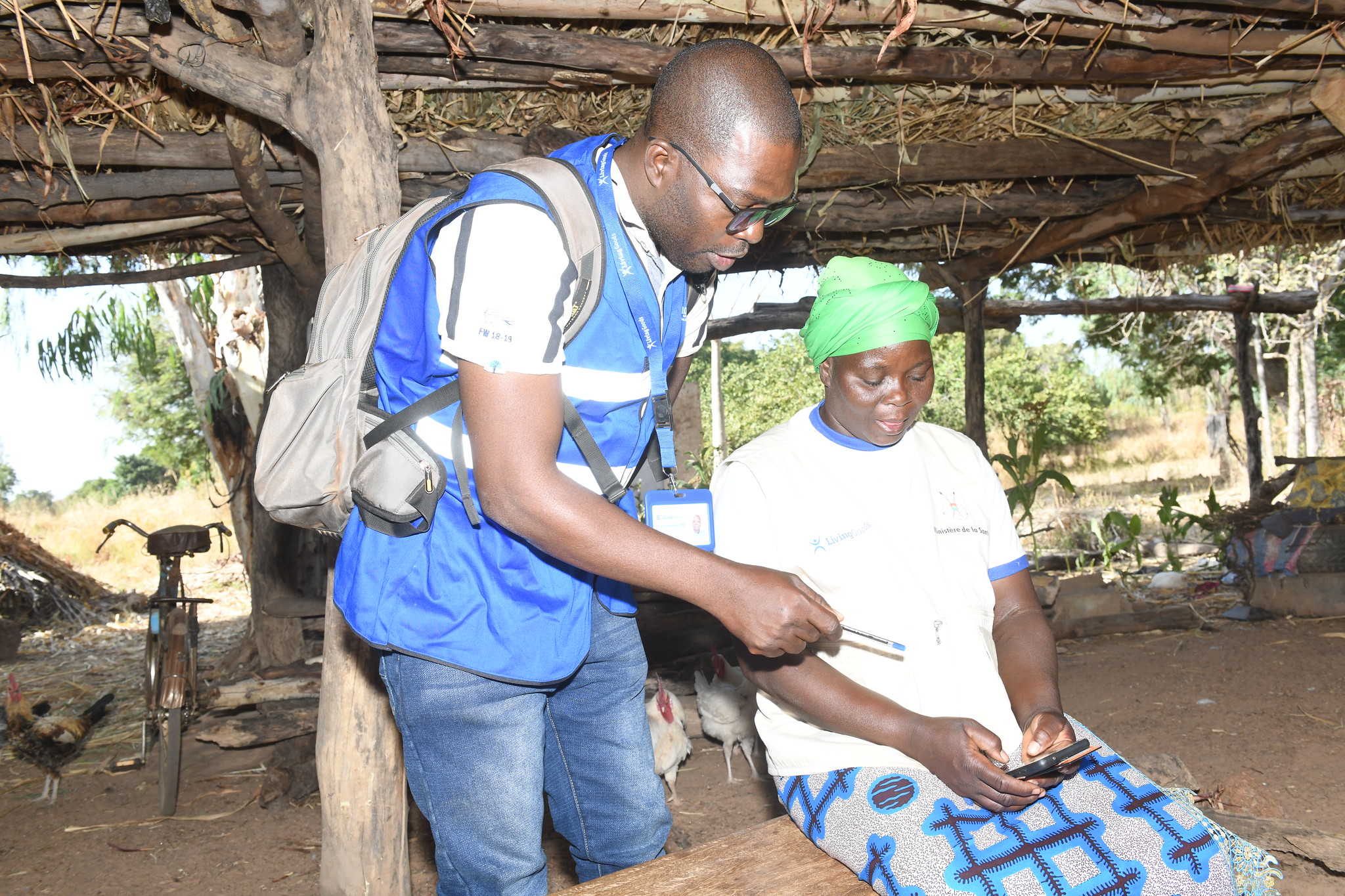
Field agents visit Health Promoters at least once a month to re-supply, collect payments, communicate current promotions, and provide ongoing health education and business coaching. LG seeks to leverage the existing distribution infrastructure of local partners wherever feasible and efficient. Agents are required to keep detailed accurate records of all patient contacts and transactions. This data is collected by LG field agents and entered in a central database.

Strict Controls
It is a fundamental principle of the model that health promoters must adhere strictly to the core rules of the program particularly with respect to storage, prescription and sale of regulated items. Promoters determined to have repeatedly violated standards are subject to immediate expulsion from the program and confiscation of all inventory and program materials.

index

index

index